Why rent a car in Aarhus at all?
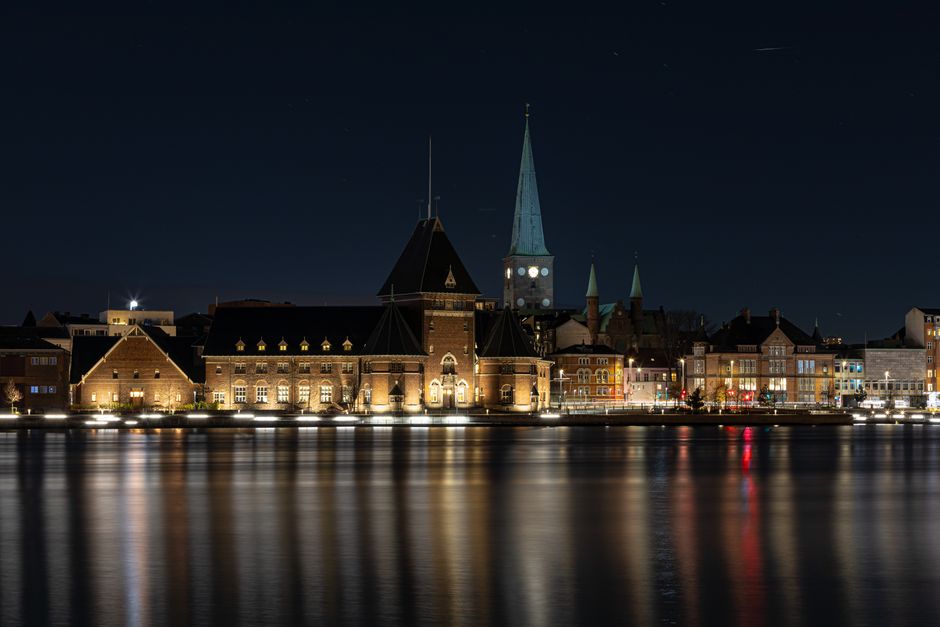
Aarhus is Denmark’s second city, and honestly, it handles public transport better than most places its size. Buses run late, the light rail (Letbane) connects the suburbs, and the city centre is walkable in under an hour. So do you actually need car rental in Aarhus, Denmark? It depends on your plans. If you are staying inside the city for a weekend of museums and restaurants, save your money. If you want to drive out to Mols Bjerge National Park, follow the coastal road to Ebeltoft, or head north to Grenen at Skagen, a car pays for itself fast.
I have done both versions of this trip. The train to Copenhagen takes about three hours and is pleasant. But the day I rented a small Skoda for 320 DKK and drove the Djursland coast instead, sto
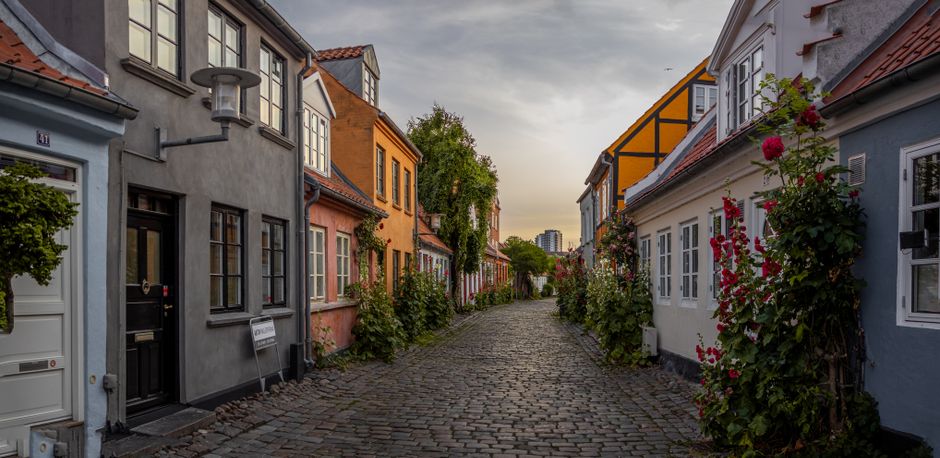 pping at random harbours and a farm shop that sold strawberry wine, was the better day by a mile. That is the honest pitch here: car rental in Aarhus is not about the city. It is about everything within 90 minutes of it.
Where to pick up your rental car
You have three realistic pickup points, and the price differences between them are bigger than you might expect.
Aarhus Airport (Tirstrup)
Despite the name, Aarhus Airport sits about 36 km northeast of the city, near Grenaa. Sixt, Hertz, Avis and Budget all have desks in the terminal. Expect to pay a premium of roughly 10-20% versus city locations, and factor in the 45-minute drive or the airport shuttle, which costs around 100 DKK each way. The upside: opening hours are tied to flight schedules, so early pickups are possible.
Downtown Aarhus
Most city offices cluster around the harbour area (Aarhus Ø) and along Banegårdspladsen near the train station. Enterprise, Hertz and a few local operators like Nordacar work from here. Prices tend to be lower, and you avoid airport fees. The catch is weekend opening hours, which can be patchy, so check before you book a Saturday pickup.
Bilbasen-style local independents
A handful of small Danish firms rent older cars at noticeably lower prices, sometimes under 250 DKK per day for a compact. I have mixed feelings about these. The price is real, but the cars often have 100,000+ km on them, and the insurance terms deserve a careful read. Fine for a budget traveller who does not mind a scratch or two.
What does it actually cost?
Here is a rough picture for a summer week. Prices move with season, so treat these as anchors, not promises.
| Car class | Daily rate (low season) | Daily rate (July) | Weekly total (July) |
|---|---|---|---|
| Small (Toyota Aygo class) | 250-350 DKK | 450-650 DKK | 3,200-4,500 DKK |
| Compact (VW Golf class) | 350-450 DKK | 550-750 DKK | 3,900-5,200 DKK |
| Estate / SUV | 500-700 DKK | 750-1,100 DKK | 5,300-7,700 DKK |
| 7-seater van | 800-1,000 DKK | 1,100-1,500 DKK | 7,700-10,500 DKK |
July and early August are peak season, and rates roughly double. If your dates are flexible, May, June and September give you nearly the same weather with much saner prices. Book at least three or four weeks ahead for summer, because the compact class sells out first in Aarhus, a university town with a lot of visiting researchers and exchange families.
Insurance and the deposit, explained without the fine print headache
Denmark requires liability insurance, and it is always included. What is not included is the excess (deductible), which often sits at 5,000-10,000 DKK. The rental desk will offer you their excess reduction product for 90-180 DKK per day. That is where budgets quietly balloon. A week of desk insurance can cost more than the entire rental discount you hunted for.
Two alternatives exist. First, check whether your travel insurance or credit card covers rental car excess, several premium cards do, but call and confirm, do not assume. Second, buy standalone excess insurance online before you travel, typically 30-50 DKK per day from companies like iCarhireinsurance or Questor. Same protection, a third of the price. You still leave the deposit on a credit card at pickup, usually 2,000-5,000 DKK blocked on the card, and get it back one to two weeks after return.
One more Danish quirk: windscreen and tyre damage is often excluded even from reduced-excess policies. Gravel roads in Mols Bjerge chip windscreens. If your route includes the national park, pay the small extra for windscreen cover or drive the gravel sections slowly.
Rules of the road you will actually encounter
- Lights on at all times, dipped beam, day and night. It is the law, and rental cars are set to do it automatically anyway.
- Speed limits: 50 km/h in towns (30 in many residential zones), 80 km/h on rural roads, 130 on motorways, though most Danish drivers cruise at 110-120.
- Zero alcohol tolerance for new drivers, and a 0.5 limit otherwise. Danish police do breathalyse checkpoints, especially on weekend nights.
- Right turn on red is not allowed unless a separate green arrow signal exists. This catches American visitors constantly.
- Cyclists have priority in practice. Aarhus has huge bike traffic, and drivers are expected to yield carefully. Check your right mirror before every turn.
Parking in Aarhus: the part nobody warns you about
This is where a car in Aarhus can turn from convenience into expense. The city centre uses zoned paid parking, and weekday rates in Zone 1 run around 26 DKK per hour with a two or three-hour maximum. Fines for overstaying start at 750 DKK. During working hours, from memory roughly 8am to 6pm Monday to Saturday, you pay at the meter or via the EasyPark app, which I recommend installing before arrival because half the machines only take Danish payment cards.
Your better move is to book a hotel with parking (usually 100-150 DKK per night) or use one of the P+R lots on the edge of the city, where a full day costs 20-30 DKK and the light rail brings you downtown in minutes. If you are only using the car for out-of-town day trips, the P+R option is genuinely the smartest setup.
Three day trips that justify the rental
Mols Bjerge and Ebeltoft (about 1 hour)
The hilly national park south of the city looks nothing like the flat postcard Denmark you expect. The old town of Ebeltoft, with its crooked cobbles and the frigate Jutland mooured in the harbour, makes a perfect half-day stop. Add the glass museum if it rains, it will at some point, this is Jutland.
Jelling and the Vejle fjords (about 1 hour 15)
UNESCO-listed Viking runestones, a genuinely good museum, and the famous Vejle fjord bridge on the drive down. You can do the whole loop in a relaxed day.
The west coast (about 2 hours)
Blåvand lighthouse, the Wadden Sea, and some of the widest beaches in Northern Europe. A long haul for a day trip, so consider it only if you have the car for several days anyway.
Booking tips that save real money
- Compare the airport desk with downtown offices on the same dates. The gap is often 15% or more, and the shuttle costs less than the difference.
- Refuse prepaid fuel unless the tank price quoted is genuinely competitive. The ‘full-to-full’ policy is standard in Denmark; take it and refuel at the Circle K on Randersvej before returning.
- Pay with a credit card, not debit. Some companies refuse debit cards outright, and the deposit blocking works better on credit.
- Book through the company’s own Danish site when possible, it sometimes shows local rates that international aggregators miss.
- Screenshot everything. Confirmation number, insurance terms, fuel policy. If a desk disputes something at 7am with a flight at noon, screenshots win arguments.
Quick FAQ
Can I rent a car in Aarhus without a credit card?
Rarely. Almost every company requires a credit card in the main driver’s name for the deposit. A few independents accept large cash deposits, but that is the exception and usually involves cars you might not want.
Is there an age limit?
Most companies require 21 for economy cars, 25 for anything larger or premium, plus a young-driver fee of roughly 80-140 DKK per day under 25. Licences from EU countries are fine; non-EU visitors should carry an International Driving Permit if their licence is not in Latin script.
Can I drive the rental car to Sweden or Germany?
Usually yes, cross-border travel within the EU and to Sweden is permitted, but you must declare it at pickup. Some cheaper tariffs exclude it, and ferries like the Grenaa-Halmstad route charge extra for rentals. Tell them, get it in writing.
Are automatic cars available?
Yes, but they cost about 30-50% more per day and go fast in summer. If you need an automatic, book early, Denmark is overwhelmingly a manual-transmission market.
Bottom line: renting a car in Aarhus makes sense the moment your plans extend past the city limits, and it costs far less than most people assume outside July. Book a compact early, sort your excess insurance separately, sort out parking before you arrive, and the rest of Jutland opens up for the price of a Copenhagen dinner for two.