If you have ever collected a hire car at an airport and felt your stomach drop when the desk agent quotes £30 a day for full protection, this guide is for you. Car rental insurance in the UK confuses almost everyone, partly because the naming is deliberately murky and partly because the products at the counter are rarely the best value. I have rented cars dozens of times across Britain and Europe, and the single biggest money-saver I know is understanding what you already have before you buy anything extra. That can mean the difference between paying £15 a day or £150 a day for essentially the same peace of mind.
What is actually included when you hire a car in the UK?
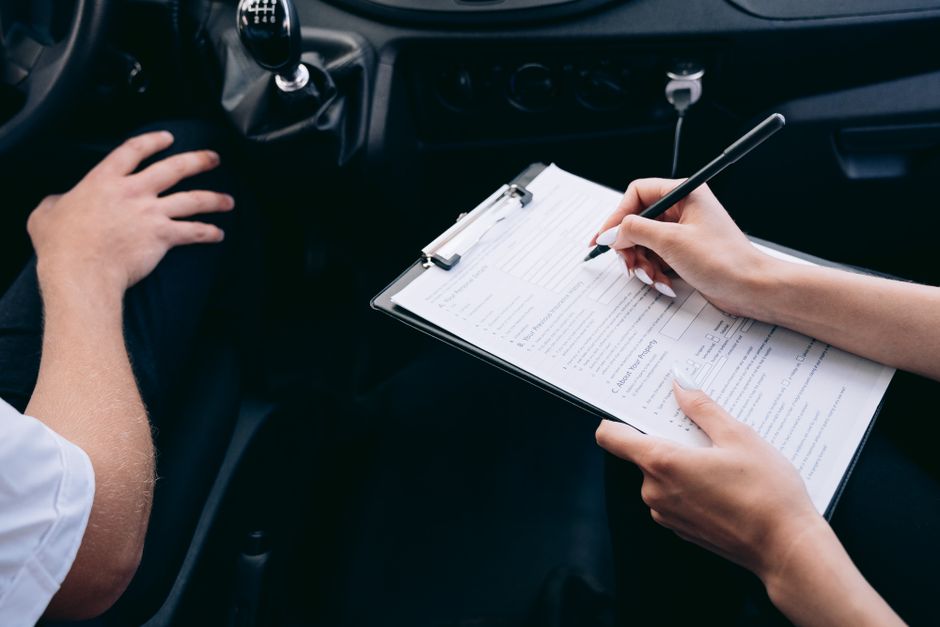
Every rental in the UK comes with basic third-party cover by law. If you injure someone or damage their property, that is handled. What is not usually handled is damage to the car itself, theft, or the eye-watering excess you owe if something goes wrong.
Rental firms then layer on optional products. Collision Damage Waiver (CDW) reduces your liability for damage. Theft Waiver (TW) does the same for theft. Third-party liability tops up the legal minimum, which in the UK is already fairly generous, so this one matters less here than in, say, France or Spain. Sound simple? It is not, because CDW almost always carries an excess of £500 to £2,000, and the parts most likely to get damaged, glass, tyres, wheels, mirrors and the underside, are excluded entirely.
So the car you collected at
 Edinburgh Airport with “full insurance” actually leaves you exposed in at least four ways. That gap is exactly what the £25-a-day upsell at the counter is designed to close, at a price.
Why excess insurance is almost always cheaper elsewhere
Here is the trick most travellers miss. You do not have to buy anything from the rental company. Standalone excess insurance, bought before you travel from a specialist insurer, does the same job for a fraction of the cost.
A few real numbers. A daily excess waiver at the rental desk typically runs £15 to £30 per day. An annual European excess policy from firms like Questor Insurance, icarhireinsurance or Insurance4CarHire costs roughly £40 to £70 for the whole year. Do the maths on a two-week trip: £250 at the desk versus roughly £2 a day on an annual policy. Even a single-trip policy usually lands between £3 and £6 per day.
The mechanics are simple too. If the car is damaged, the rental company charges your card the excess, and the standalone insurer reimburses you when you claim. You keep the receipt, the damage report and the check-in photos, and you get the money back.
| Cover type | Typical cost (UK) | Covers the excess? |
|---|---|---|
| Desk excess waiver (from rental firm) | £15-30 per day | Yes, plus some excluded parts |
| Single-trip standalone policy | £3-6 per day | Yes, claims reimbursed |
| Annual European excess policy | £40-70 per year | Yes, unlimited trips up to a trip length cap |
| Premium credit card cover | Free with card fee | Often, but check exclusions carefully |
Do you need super cover, or is it a sales tactic?
Honestly? Mostly a sales tactic, though not entirely. “Super” CDW or “zero excess” packages remove the excess entirely and add back some excluded items like tyres and glass. If you are renting a £60,000 premium saloon for a single day and your excess would otherwise be £2,000, there is an argument for paying it. I have done exactly that once, in Inverness, with a car I genuinely did not want any liability for.
But for a standard Ford Focus or VW Golf on a week-long trip, the zero-excess package is rarely worth £20 a day. The annual excess policy plus a bit of care with photos covers you for less than the cost of two days of desk cover.
What your credit card or travel policy might already cover
Before you buy anything, check two things. Some premium credit cards, certain Amex and Barclays cards among them, include car hire excess cover as a perk, though restrictions are common: often the rental must be booked and paid with that card, and cover may exclude UK rentals on UK-issued cards, which matters if you live abroad and rent here. Travel insurance policies sometimes include a small car hire excess section too, usually capped at £500 or so, which alone is not enough but reduces the gap.
And if you are a French resident hiring a car in the UK, your own domestic car policy or French travel cover may already extend some protection. Check before you arrive at the desk. That five-minute email to your insurer is worth more than any argument with a tired agent at 11pm in Luton.
How to protect yourself at the pickup desk
Whatever cover you end up with, your behaviour at pickup matters as much as the paperwork. Here is the routine I use every single time, and it has saved me two disputed charges over the years:
- Film a slow walk-around video of the entire car, including the roof, wheels, glass and bumpers, with a timestamp. Narrate what you see.
- Photograph the fuel gauge and the mileage on the dash.
- Check the damage diagram on the rental agreement actually matches what you filmed. Make the agent annotate anything missing before you sign.
- Refuse any cover you did not plan to buy, politely but firmly. A simple “I already have cover, thanks” ends most pitches.
- Repeat the video at drop-off, ideally with a staff member visible accepting the keys.
Disputes almost always hinge on pre-existing damage versus new damage. Your timestamped video settles it in minutes.
Driving in the UK as a visitor: what changes?
If you are crossing from France, a few practical points. British roads favour roundabouts, and many rural car parks and historic streets are tight enough that alloy wheel damage is the single most common claim. That is precisely the exclusion most basic CDW carries, wheels and tyres, another reason standalone excess policies, which usually do cover them, win out.
Speed limits are in miles per hour: 70 mph (about 113 km/h) on motorways, 60 on single carriageways, 30 in towns. Fuel is petrol or diesel, with a fast-growing number of electric options, so if you rent an EV, confirm the rental includes a charging cable and check whether your excess policy covers cable damage. Many do not.
Frequently asked questions
Is car rental insurance compulsory in the UK?
Third-party cover is legally required and always included. Damage and theft protection are optional, but skipping them while also skipping excess cover is a gamble with a four-figure downside. Most people should carry something.
Can I decline everything at the counter?
Yes, if you can show alternative cover, either a standalone policy or a card benefit. The rental firm will place a hold on your credit card for the excess amount, often £1,500 to £3,000, so make sure your credit limit can absorb it. Debit cards usually require proof of return travel and ID, and some firms refuse them outright.
What is the excess on a UK rental car?
Typically £500 to £2,000 depending on the vehicle class. Luxury cars can be much higher. The exact figure is in your rental agreement, so read it before signing rather than discovering it after a stone chip.
Does excess insurance cover key loss or misfueling?
Good policies bundle key cover and misfuel assistance into the annual premium. Desk waivers usually do not, or charge extra for them. Worth checking if you have ever put petrol in a diesel, and if you have, you know how expensive that mistake is, often £300 to £600 for a drain and flush.
The short version
Buy an annual standalone excess policy if you hire cars more than once a year, take five minutes of photos at every pickup, and never buy the £30-a-day desk waiver without comparing it to a £45 annual policy first. Those three habits have saved me several hundred pounds and two disputed damage charges. Get the cover right before you land, and the rental desk becomes a five-minute stop instead of a £200 surprise.