Here is a number that surprises most first-time visitors from Switzerland: a single night in a US hospital intensive care unit can cost $10,000, sometimes more. I have seen bills for a broken wrist treated in Phoenix that topped $18,000. If you are planning a trip across the Atlantic, buying travel insurance in USA should be the second thing you book, right after the flight. Your Swiss basic health insurance (LaMal) will reimburse at most the tariff that would apply in Switzerland, and that amount rarely covers a fraction of American medical billing. The gap is yours to pay.
Why Your Swiss Health Insurance Is Not Enough
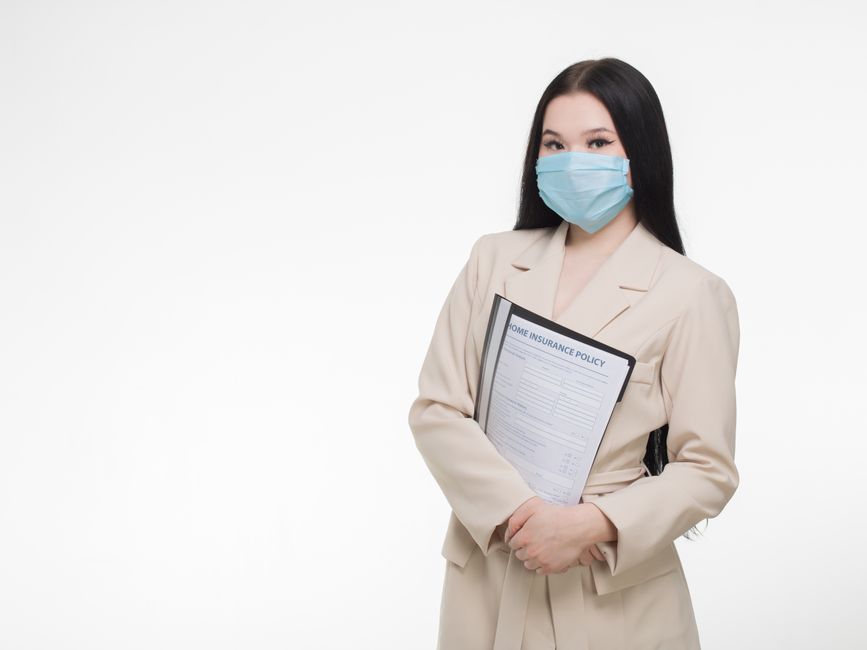
Swiss residents often assume their KVG/LaMal coverage travels with them. Technically it does, in Europe at least, through the European Health Insurance Card. The United States is a different story. Outside Europe, your basic insurance covers only emergencies, and only up to the amount the same treatment would cost in Switzerland. A hospital stay that would run CHF 6,000 in Zurich might run $60,000 in Miami. You pay the difference out of pocket.
Some Swiss insurers sell supplementary modules for trips abroad, usually between CHF 100 and CHF 300 per year, with coverage capped around CHF 1 to 2 million. That sounds generous until you read the fine print about exclusions for adventur
 e sports, pre-existing conditions, or repatriation limits. A dedicated travel insurance policy for the USA closes those gaps, and for trips longer than a few weeks it is often the only sensible option.
What Good Travel Insurance in USA Actually Covers
Not all policies are equal, and the cheap ones sold as add-ons at checkout are usually the worst value. Before you buy, check that the plan includes the following core elements.
- Medical expenses: at least $100,000 in coverage, ideally $250,000 or unlimited. US hospital bills eat through low limits fast.
- Medical evacuation and repatriation: an air ambulance from the US back to Switzerland costs $80,000 to $150,000. Yes, really. This must be included.
- Trip cancellation and interruption: reimbursement of prepaid costs if you have to cancel or cut the trip short, typically 100% of the insured amount.
- Baggage and personal effects: usually $1,500 to $3,000, which matters if you travel with camera gear or a laptop.
- 24/7 assistance hotline: a real human who can arrange direct payment to hospitals so you are not fronting $20,000 on your credit card.
- Coverage for pre-existing conditions: look for a waiver that covers stable, controlled conditions rather than excluding everything in your medical history.
What gets excluded most often
Alcohol-related accidents, injuries from activities like heli-skiing or rock climbing without a declared sports rider, and treatment for conditions you failed to disclose at purchase. Read the exclusions section before buying, not after something goes wrong. I once skipped this on a two-week California trip and spent the whole flight worrying about my knee, which I had injured three months earlier. It was probably fine. Probably.
How Much Does It Cost from Switzerland?
For a Swiss resident, a solid comprehensive policy for a two-week US trip typically costs between CHF 120 and CHF 350 depending on your age and coverage level. A couple in their fifties should expect the upper end. Travelers over 70 pay noticeably more, sometimes double, because insurers price by age band.
Medical-only visitor plans aimed at the US market, sold by providers like IMG, Seven Corners or SafetyWing, run cheaper: roughly $50 to $120 for two weeks for a traveler under 40, with deductibles from $0 to $2,500. The trade-off is that they cover medical costs and not much else. For a short city break with refundable hotels, that can be enough. For a three-week road trip with prepaid lodges in Yellowstone and a rented SUV, take the full package.
Do You Need Insurance to Enter the USA?
No, and this catches people out. Neither ESTA nor a B1/B2 visa requires proof of travel insurance for entry into the United States. Unlike Schengen visa applications, where insurance with €30,000 minimum coverage is mandatory, the US leaves the decision entirely to you. Washington does not check. The American hospital will, though, and it will send the invoice regardless of your citizenship.
My take: the absence of a legal requirement is exactly why so many Swiss travelers skip insurance for the US, and it is a mistake. The country has the most expensive healthcare in the world and some of the least tourist-friendly billing practices. You insure because of the risk, not because of a rule.
Which Providers Are Worth Comparing?
You do not need to evaluate thirty insurers. A shortlist of five gets you 90% of the way there.
| Provider | Strength | Rough price, 2 weeks, age 35 |
|---|---|---|
| AXA Travel Insurance (CH) | Well-priced for Swiss residents, solid cancellation cover | CHF 90 to 160 |
| ELVIA / Allianz Direct | Flexible single-trip and annual plans, fast claims | CHF 100 to 180 |
| World Nomads | Good for adventure activities, popular with long-haul travelers | USD 110 to 180 |
| SafetyWing | Medical-focused, monthly subscription model, ideal for longer stays | USD 45 to 56 per 4 weeks |
| IMG (Visitors Care / Patriot) | High medical limits, built for the US healthcare system | USD 60 to 130 |
Prices move with age and deductible, so treat these as ballparks. What matters more is the claims reputation: check Trustpilot and Reddit threads for payout experiences, not just the sales page. A cheap policy that fights you on every invoice is expensive.
Single Trip or Annual Policy?
If you fly to the US once a year for two weeks, buy single-trip cover. If you cross the Atlantic two or more times a year, or add trips inside Europe, an annual multi-trip policy from a Swiss insurer usually wins on price, at around CHF 250 to 500 depending on age and family size. Most annual plans cap individual trips at 30 to 45 days, so check the small print if you are planning a long winter in Florida, which is a rite of passage for a certain generation of Swiss retirees.
Three Tips Before You Click Buy
- Declare every pre-existing condition honestly. Non-disclosure is the number one reason claims get rejected, and insurers are good at pulling medical records when the bill is large.
- Check whether your credit card already includes travel insurance. Some premium cards offer decent medical and cancellation cover, but limits are often low and the card must have paid for the trip.
- Save the policy number and the 24/7 assistance number offline, in your phone and on paper. When you are in an emergency room in Denver at 2 a.m., you do not want to dig through confirmation emails.
FAQ
Does Swiss basic insurance cover anything in the USA?
It covers genuine emergencies, but only up to the equivalent Swiss tariff. In the US, that leaves you with the vast majority of the bill. Supplementary insurance or a dedicated travel policy fills the gap.
When should I buy the policy?
As soon as you book the flight. Cancellation coverage typically only applies to events that happen after purchase, so buying the day before departure protects your prepaid costs almost not at all.
Is travel insurance mandatory for ESTA travelers?
No. ESTA does not require any proof of insurance. It is still strongly recommended given US medical costs.
The short version: spend an hour comparing two or three quotes before your next US trip, and expect to pay somewhere between 3% and 6% of your total trip cost for proper coverage. That hour is the cheapest protection you will ever buy against a five-figure hospital invoice.